
Pollinator Gardens Are Blooming With Purpose
At The Commons in Lincoln, the landscape comes to life with native plantings, resident-led initiatives and pollinator-friendly practices that support bees, butterflies and a continued love of gardening.
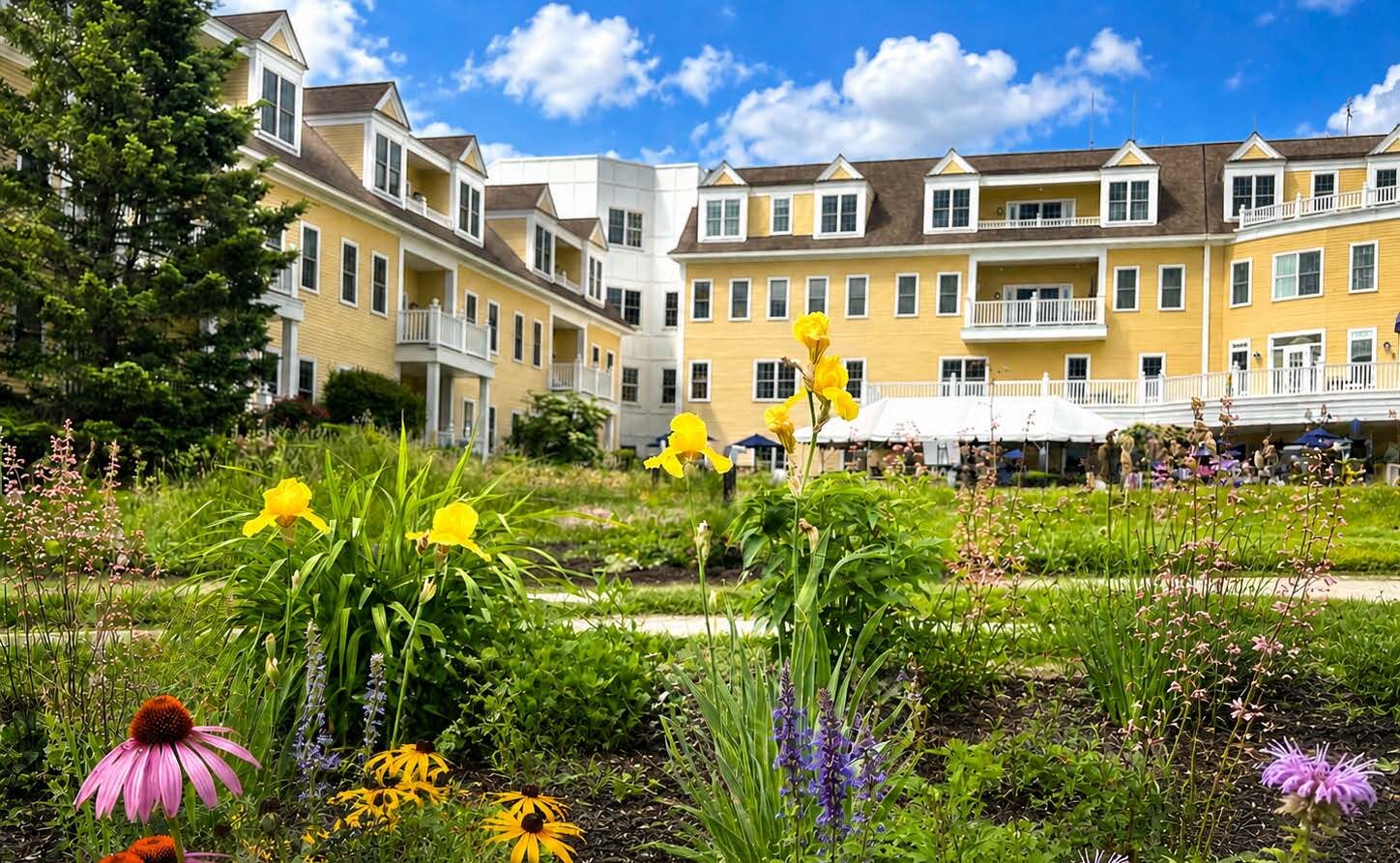
Residents at The Commons in Lincoln are helping shape a quieter kind of beauty—one that hums with life, changes with the seasons and gives back to the environment in meaningful ways.
Pollinator-friendly gardens are more than a landscape feature at The Commons. They reflect a way of living that is thoughtful, sustainable and closely connected to nature. From planting native blooms to sharing gardening knowledge, residents play an active role in shaping outdoor spaces that feel both vibrant and personal.
For many considering a move to senior living, especially those who have spent years tending their own yard, the question often lingers: What happens to that connection to the outdoors?
At The Commons in Lincoln, it doesn’t go away. It grows.
Designed for Beauty and Purpose
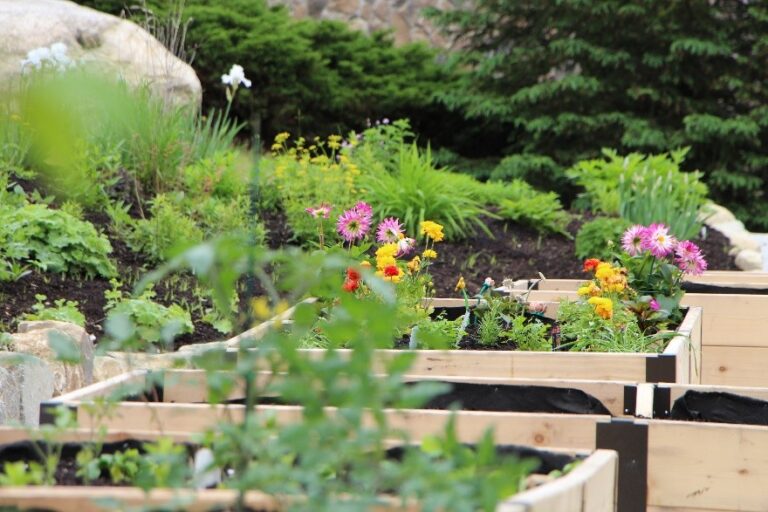
The Commons has embraced ecological horticulture in ways that residents can see, experience and participate in every day. Initiatives like No Mow May allow early blooms to flourish, creating a critical food source for pollinators emerging in spring, one of the most important times for their survival.
By delaying mowing through May and June, native flowers are given the opportunity to bloom naturally, supporting bees, butterflies and the broader ecosystem. Native plants have coevolved with insects and birds; having the insect population to support wildlife is significant.
Beyond pollinator gardens, The Commons is developing meadows made up of diverse native plantings designed to intentionally support wildlife while also creating beautiful outdoor spaces for residents to enjoy. Carefully maintained three-foot mowing strips along pathways help define the meadows and communicate that these landscapes are purposeful by design.
Rooted in Resident Passion
What makes the pollinator gardens at The Commons especially meaningful is the people behind them.
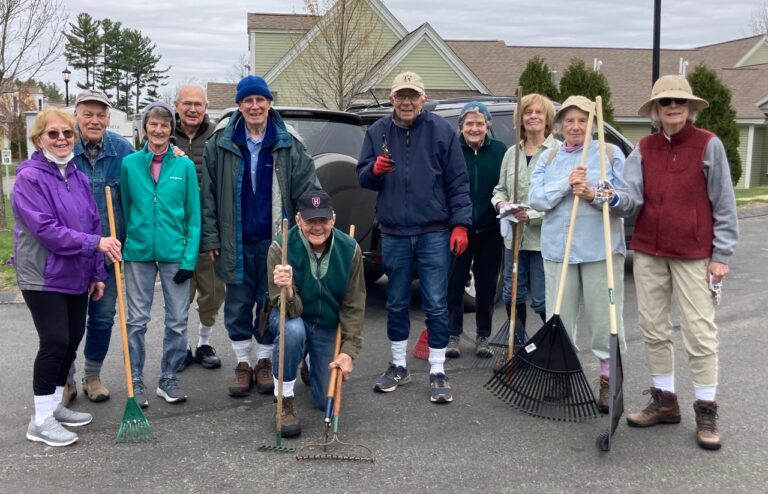
The Garden & Landscape Committee, a resident-driven group, plays an active role in shaping and maintaining outdoor spaces across campus—from shared garden beds to entryway plantings and gathering areas. Their work ensures the landscape reflects both sustainability and a true sense of community.
For resident and Garden and Landscape Committee Member Henry M., the involvement in projects, like the pollinator gardens and meadows, has created a renewed sense of purpose. Henry has found new ways to stay connected to his lifelong interests in gardening and sustainability by collaborating with neighbors, guiding planting strategies and contributing to the natural beauty that surrounds the community.
Henry conducted an extensive analysis of the campus grounds and identified nearly 30 distinct garden environments, each shaped by different soil conditions, sunlight exposure and plant communities.
“It’s a wonderfully complex subject,” he noted, “and The Commons leadership deserves special commendation for both considering and supporting these initiatives. It takes real landscape design to make the visual aspects of flowering plants and meadows look intentional.”
Some residents even bring pieces of their own gardens with them when they move to the community, transplanting beloved flowers and plants into these shared spaces, carrying memories forward while helping something new take root.
“You do not leave your life behind,” says Henry. “You carry it with you, and here, I have found new ways to grow and contribute.”
From Garden Beds to the Table
While pollinator gardens support the broader ecosystem, the community’s vegetable gardens bring that connection even closer to home.
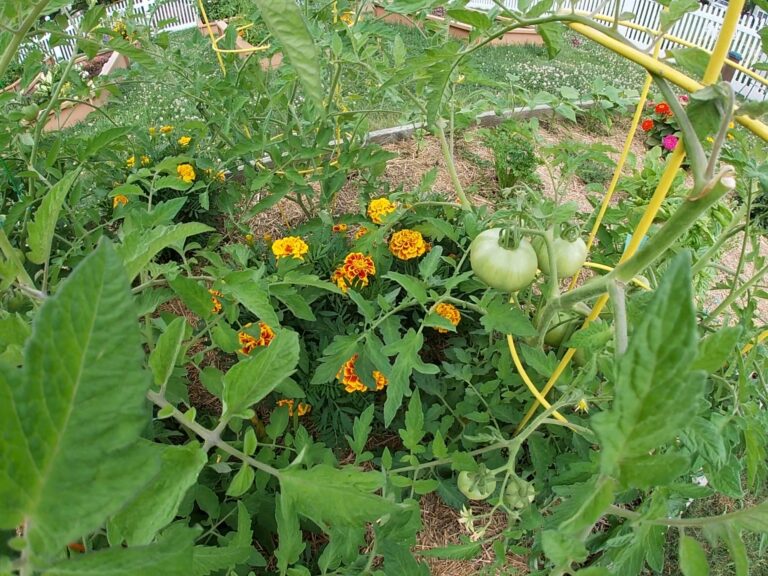
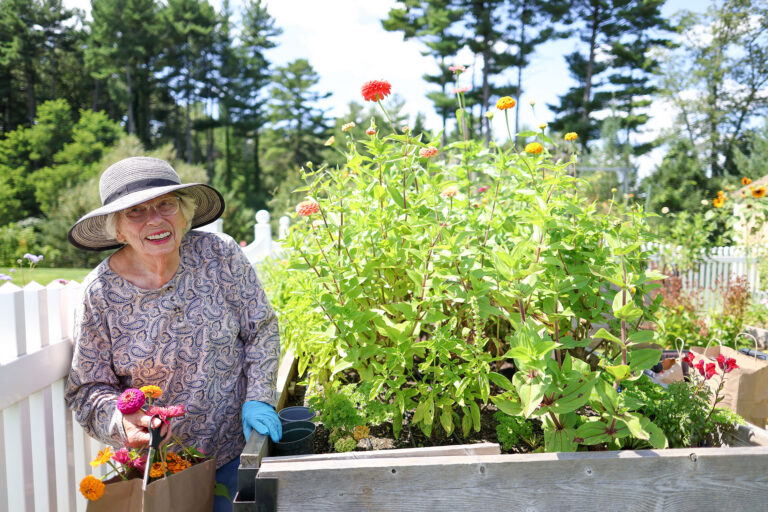
Throughout the growing season, residents cultivate tomatoes, beans, peas, garlic, squash and herbs—creating spaces that are as social as they are productive. These gardens offer another way to stay hands-on, share knowledge and enjoy the simple satisfaction of growing something yourself.
That connection from garden to table is something Nina Quirk, The Commons’ Campus Culinary Services Director, embraces fully.
A passionate gardener herself, Nina often spends time working in the gardens alongside residents, building relationships and sharing in the experience. Ingredients grown on campus—like lemon verbena—find their way into teas and recipes, bringing the flavors of the landscape directly into the dining experience.
“When you walk outside, there is a garden landscape with pollinator gardens and wildflower gardens and it’s all about sustainability,” she says.
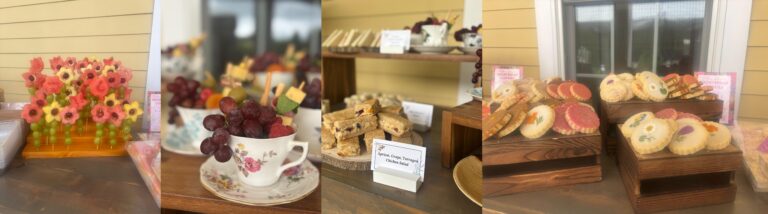
That connection comes to life each year during the community’s annual Garden Party, where guests, residents and associates gather for a botanical-themed event featuring garden-inspired fare such as tea sandwiches, pastries and desserts.
“It’s super fun to play into the theme as a gardener and lover of all things nature and to put together a menu that reflects that,” Quirk says.
Ways Residents Stay Connected to Nature
Life at The Commons offers many ways to stay engaged with the outdoors, whether actively gardening or simply enjoying the surroundings:
- Walk protected conservation land trails, following the philosophy: take nothing, leave nothing.
- Join The Commons Green Initiative Committee, helping shape sustainability efforts.
- Participate in The Commons composting program, reducing waste and supporting soil health.
- Get involved with the Garden & Landscape Committee, contributing to planting, planning and seasonal care.
These opportunities create a meaningful sense of connection and ownership without the responsibility of maintaining a private yard.
A Community Designed for What Comes Next
At The Commons, the connection to nature is just one part of a thoughtfully designed lifestyle—one that evolves with residents over time.
As a Lifecare community, The Commons offers a full continuum of living options, including Independent Living, Assisted Living, Memory Care, Sub-acute Rehabilitation and Skilled Nursing. This approach provides added reassurance for residents and their families, with access to additional care at a more predictable cost, should needs change.
It’s a model that allows residents to stay focused on what matters most: continuing their passions, enjoying meaningful connections and embracing each day with confidence, knowing support is in place for whatever comes next.